Table Of Content

Detailed Design (DD) is a phase in the software development process where the software design is transformed into a detailed design that can be used to guide the implementation of the system. DD is the next step after HLD and LLD, it could include all the elements of LLD, but with more depth and detail. It includes specific, detailed descriptions of the data structures, algorithms, interfaces, and other elements of the system, as well as pseudocode or other representations of the code that will be written. DD may also specify any specific design patterns that will be used in the implementation of the system. High-level design phase, developers focus on defining the system’s architecture, including its components, modules, interfaces, and data. They also consider the system’s functional and non-functional requirements, such as performance, scalability, and security, to ensure that the design meets the needs of the stakeholders.
SDLC MODELS
The simple way to do it is to create a diagram to represent the solution. The document will not contain a full explanation, like what framework to be used. But more like a general flow on how the process would be and what technical solution that we needed to complete the requirement. In software development, high-level design (HLD) is the process of creating an abstract representation of a software system before detailing the lower-level design. The high-level design provides a broad overview of the software architecture, including the overall structure and organization of the system, the main components and their interactions, and the main algorithms and data structures that will be used. Finally, document the high-level design and keep it up-to-date throughout the software development process.
Georgia Institute of Technology
“I think in some respects, you could start to make the case that everyone here is now an interior designer.” Indeed, the city’s design scene has boomed, with new shops and showrooms sprouting up every month. What’s most exciting about this design renaissance, though, is the range of visions and styles represented around the city—due in part, perhaps, to the constant flow of new residents from around the country and world. Design scene is equally embracing of the primitive and the cutting-edge, the refined with the unrefined,” says Adam Blackman of Blackman Cruz, on Highland Avenue.
Creating System Diagrams and Flowcharts
Dark Souls diary: Undead Burg's level design is still unmatched - PCGamesN
Dark Souls diary: Undead Burg's level design is still unmatched.
Posted: Fri, 10 Dec 2021 08:00:00 GMT [source]
When embarking on a software development journey, architects and developers follow a systematic approach to transform ideas into a fully functional and efficient application. Among the crucial steps in this process are High-Level Design (HLD) and Low-Level Design (LLD). These two distinct phases play a pivotal role in bridging the gap between the conceptualization of a software system and its actual implementation. Provides an overview of the project and a brief summary of the solution to set the scene to the stakeholders. Provides a technical view of the project scope and outlines where some of the requirements are to be met by non-technical means such as business processes.
How To Design Scalable High-level Design (HLD) Systems
This section establishes the approach to reducing Technical Debt, cost of the Technical Debt and the approach to bring the alignment to Enterprise Architecture Strategy. In this article we outline best practice on what constitutes a high quality E2E solution design. A simple trick for managing documentation activities is maintaining templates that vary with project size; small projects use small templates, and large projects use large templates.
After identifying the modules and components, the relationships and interfaces between them must be defined. Determine how the modules will communicate with each other and exchange data. This can be done using APIs, message passing, or shared databases, depending on the system’s requirements. All the data flows, flowcharts, data structures, etc. are in these docs so that developers can understand how the system is expected to work with regard to the features and the database design.
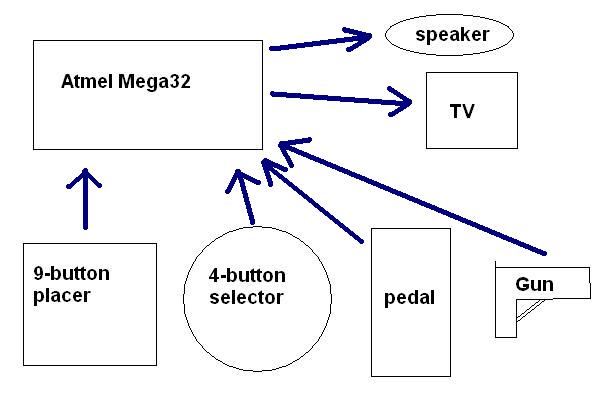
High-level design provides an overview of the entire system and sets the foundation for the detailed design and implementation phases. When it comes to software development, having a solid high-level design is essential. It provides a roadmap for the entire development process and helps ensure that all the key components and modules of the system work together seamlessly. In this blog post, we will explore the concept of high-level design, its benefits, and how to create an effective high-level design. Whether you are a software developer, project manager, or simply interested in understanding more about the software development process, this blog post will provide valuable insights.
At least, we can identify first how the handling would be looked like. Gather RequirementThe first thing to do is to get the full requirement from the business team. Regardless they already make the User Story (List of requirement in a story form by user perspective), we also need to get a better understanding of the requirement. To get a solid base of understanding requires a discussion of the requirement with the Product Owner, which in that session, we can run through the requirement one by one.
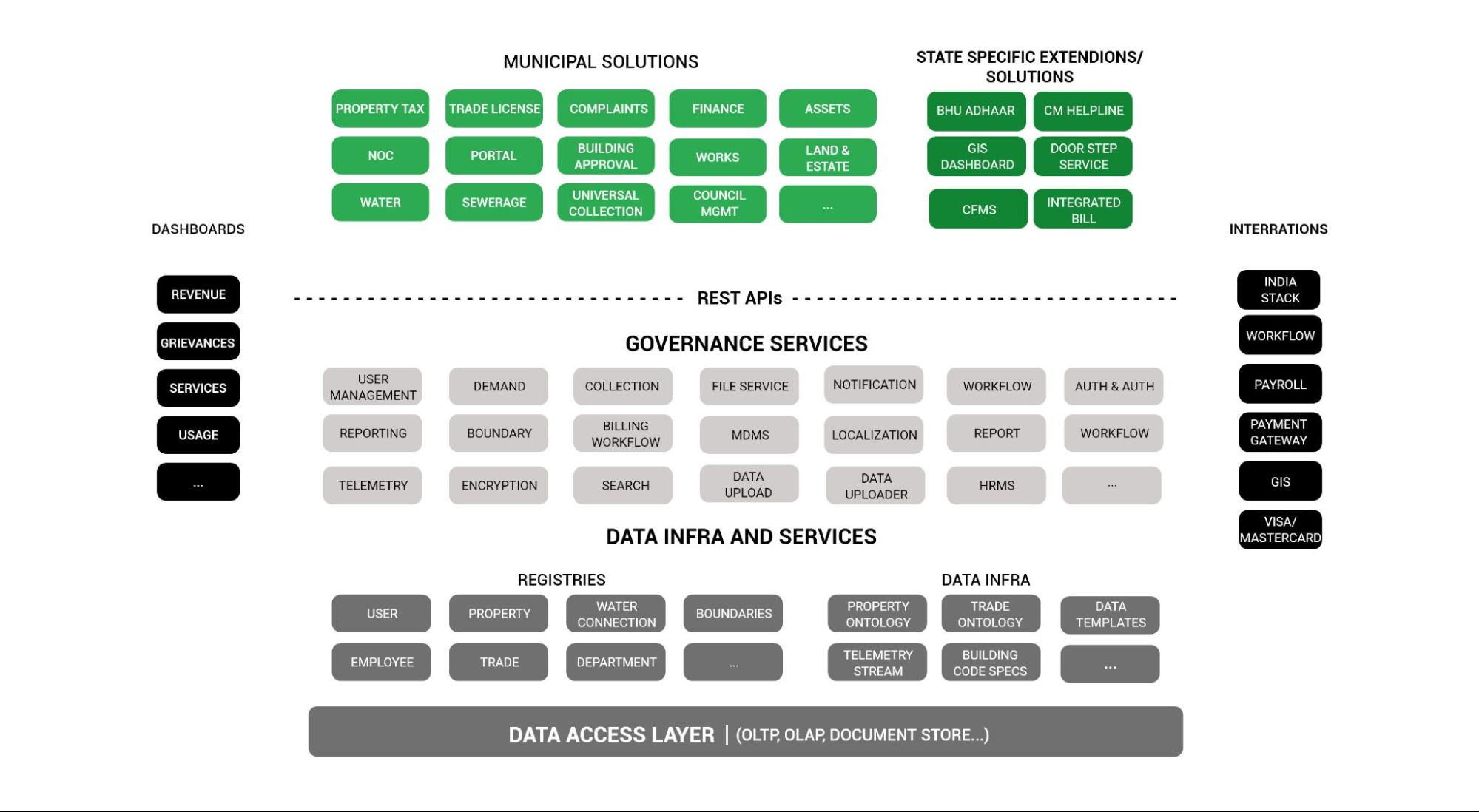
A good Software Architecture
For program quality, it’s No. 2 in the Midwest and No. 5 in the U.S., along with high marks for other UW-Stout programs. The university also offers a Bachelor of Science degree in computer science with a concentration in game design and development. System design involves creating both a High-Level Design (HLD), which is like a roadmap showing the overall plan, and a Low-Level Design (LLD), which is a detailed guide for programmers on how to build each part. High-Level Design and Low-Level Design are the two main aspects of System Design.
The Evolution Of High-Level Synthesis - SemiEngineering
The Evolution Of High-Level Synthesis.
Posted: Thu, 27 Aug 2020 07:00:00 GMT [source]
Once the requirements are gathered, the system needs to be analyzed and decomposed into its major modules and components. Consider the functionalities of the system and break them down into logical building blocks. Identify the key dependencies and interactions between these modules.
This helps align expectations and ensures that the design meets the desired requirements. Regular communication and collaboration facilitate a better end result. To further illustrate the high-level design, create system diagrams and flowcharts. These visual representations help stakeholders and developers understand the overall structure and emphasize the connections between modules. Tools like Lucidchart or Microsoft Visio can be used to create these diagrams effectively.
Provides the list of applicable Architecture Principles and Patterns, and more importantly identifies the need for any new principles and patterns. This section demonstrates the adherence to the Enterprise Architecture Principles & Patterns and where gaps were found to create new Patterns and Principles. At this stage of the SDLC, the low-level, highly technical issues are not yet relevant. The SOW has not been signed, the scope is not yet locked, and developers are yet to be engaged. The effort to produce an HLD can be easily justified by understanding when and why it’s used.
Before diving into the finer details, let’s define what exactly high-level design means in the context of software development. High-level design refers to the process of creating an architectural blueprint for a software system. It focuses on identifying the major components and modules of the system, as well as their interactions and dependencies.


No comments:
Post a Comment